In search of (formerly) lost Lithops species by Peter Beiersdorfer
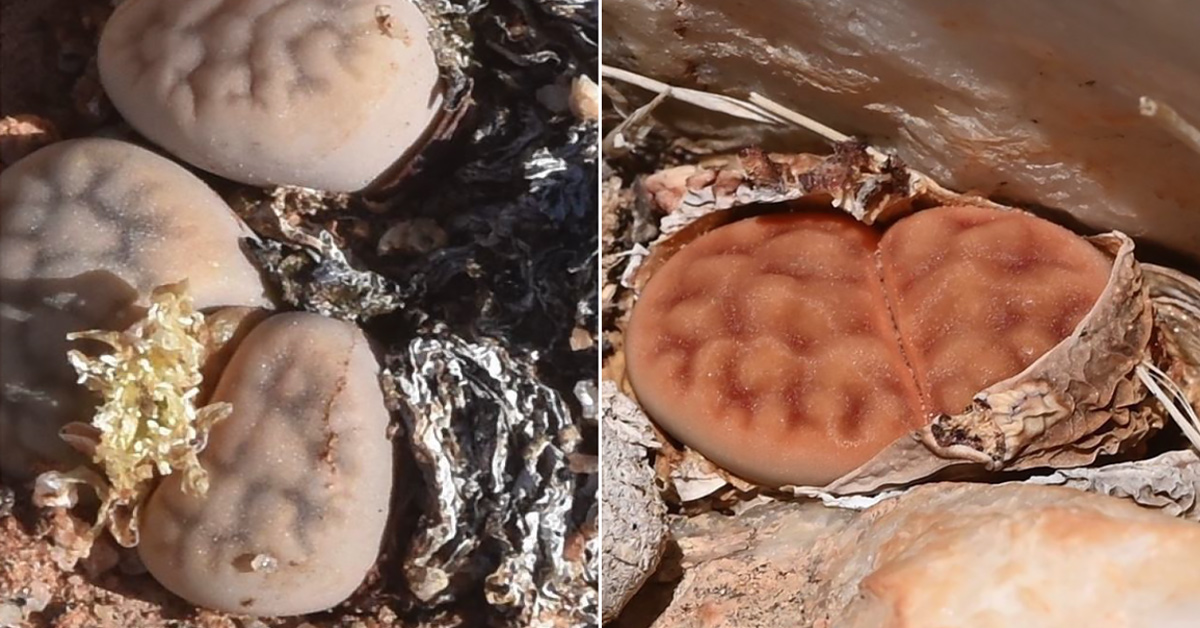
A species is discovered, described, published, and seeds (and later plants) are distributed to botanical gardens and growers, yet within a few decades the species is lost. Surprisingly, this appears to happen frequently. The genus Lithops has multiple examples in which a valid species is never seen again, claimed to have never existed, or synonymized out of existence. For example, Lithops opalina was discovered in 1922, synonymized with another species in 1946, and then in 1973 said to have never existed as a species in nature and instead claimed to be a cultivar that was bred in the late 1950s and early 1960s. To finalize this transformation from species to man-made cultivar Lithops opalina was “officially” declared as a cultivar in 2013 — as if Lithops opalina had never existed in nature.
To spice up the story of botanical malpractice, someone found a “new” species in the 1960s that was described to look mostly like Lithops opalina, and it was named Lithops eberlanzii var. aiaisensis. Luckily, the 1922 discoverer of Lithops opalina, Kurt Dinter, gave detailed descriptions of his research trips to what is now Namibia, and with some sleuthing we could recreate his trip through the southern Namibian desert. We found Lithops opalina exactly at the location where Dinter said he found and collected them, and we restored the taxon as Lithops eberlanzii var. opalina. By doing so, ironically, we relegated aiaisensis to synonymy. Since then we followed up by “rediscovering” Lithops summitatum, which had been subjected to a similar fate as L. opalina. By now we are convinced that there are about a dozen or so original species that were “lost” because of botanical malpractice, and we are working to get them back one at a time, including Lithops halenbergensis, the story of which is currently awaiting the Editor’s approval for publication in Haseltonia.
About Peter Beiersdorfer:
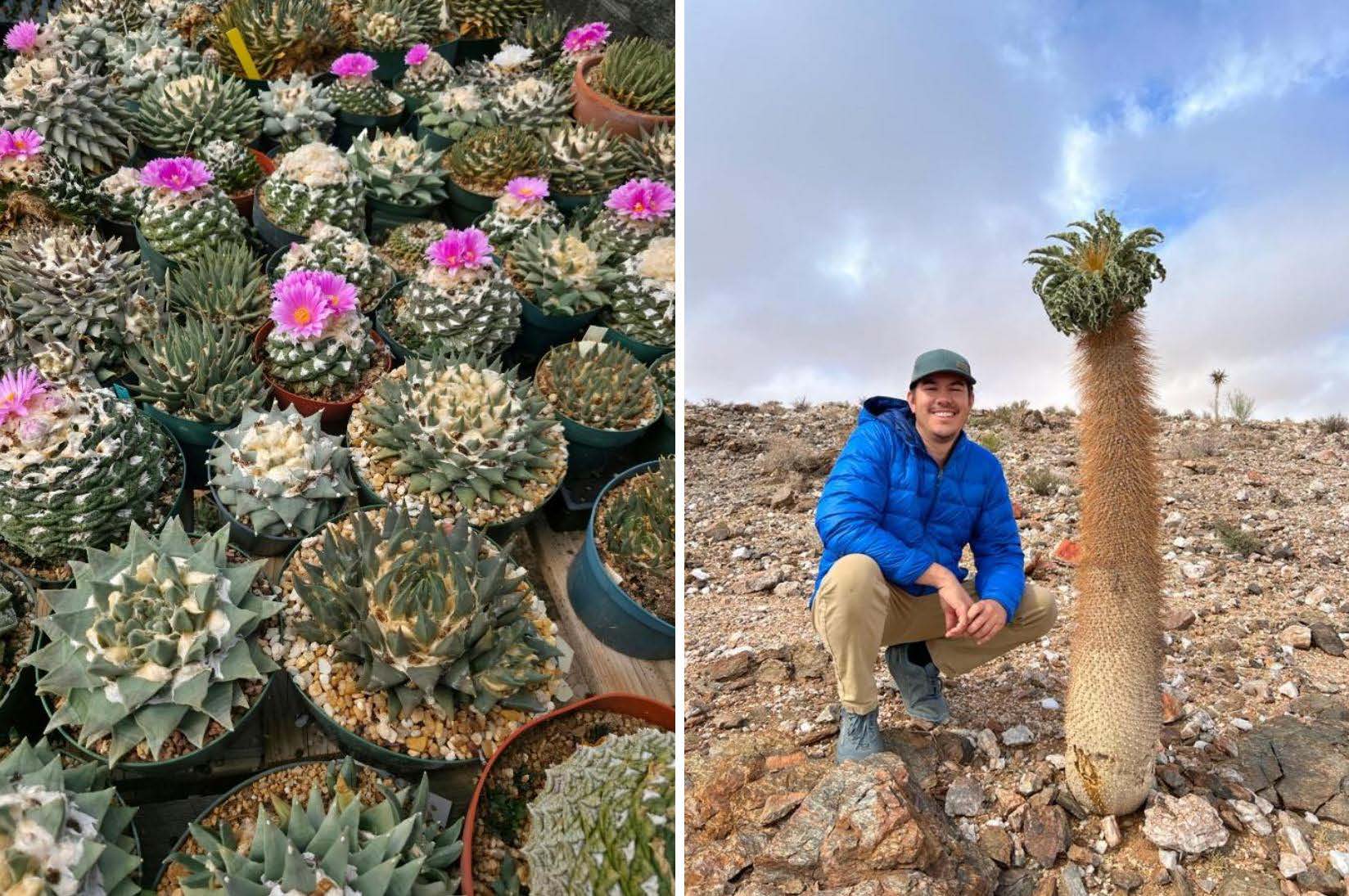
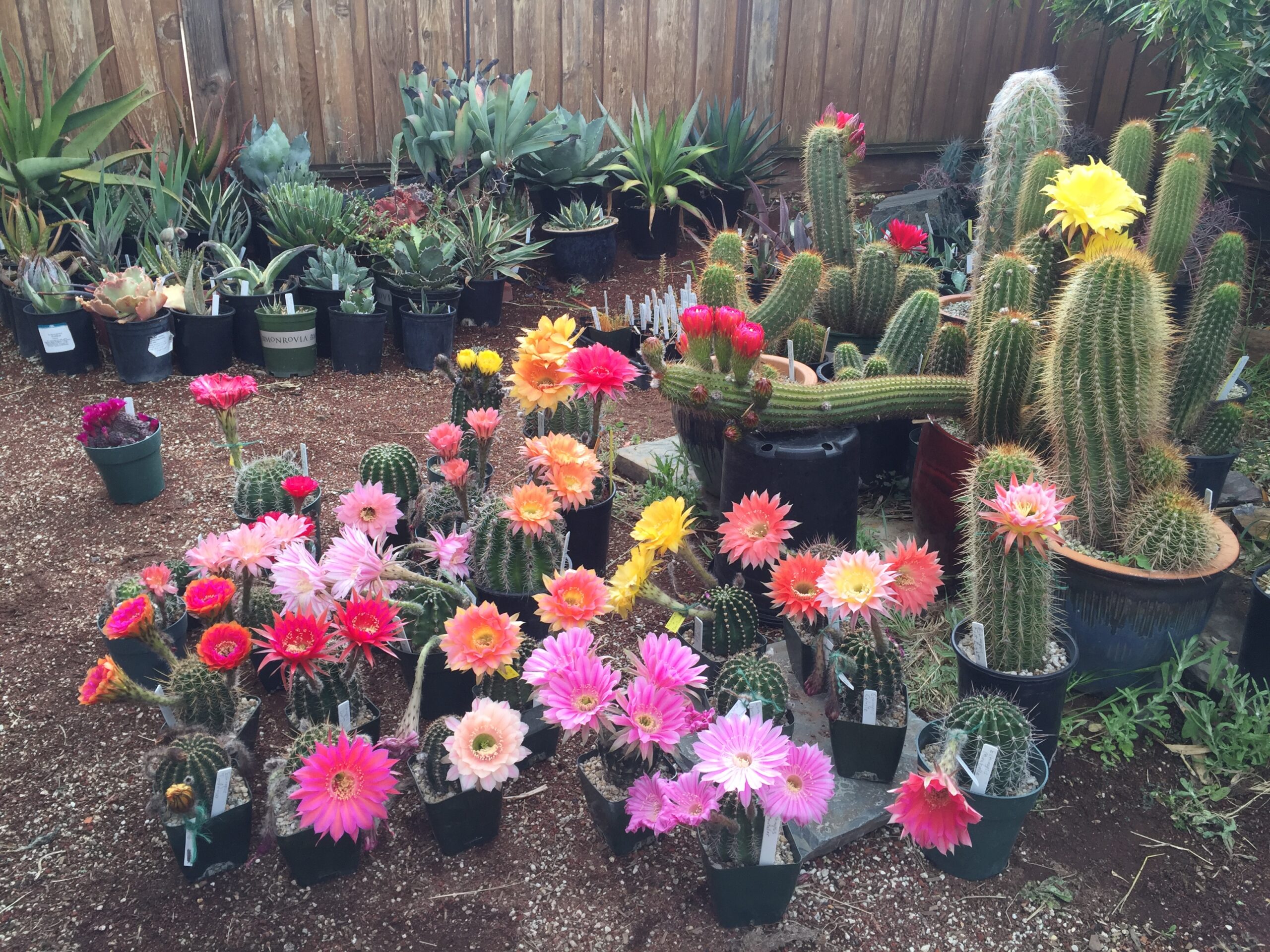
Following his retirement from paid research in physics Peter has switched to unpaid research in botany. Since the end of 2020 Peter has been spending about 9 weeks per year in Namibia searching for Lithops, although recently he also ventured to the Canaries. At his home in Livermore, Peter propagates plants from seeds and cuttings, including mesembs and bulbs from the winter rainfall areas of Southern Africa and many cactus species from South and North America.
Peter will bring plants for sale.
Meeting details:
Date: Monday, July 28, 2025
Doors open at 6:15 pm for plant sales and fellowship.
Program begins at 7:00 pm.
Shepard Garden & Arts Center
3330 McKinley Blvd
Sacramento, CA 95816